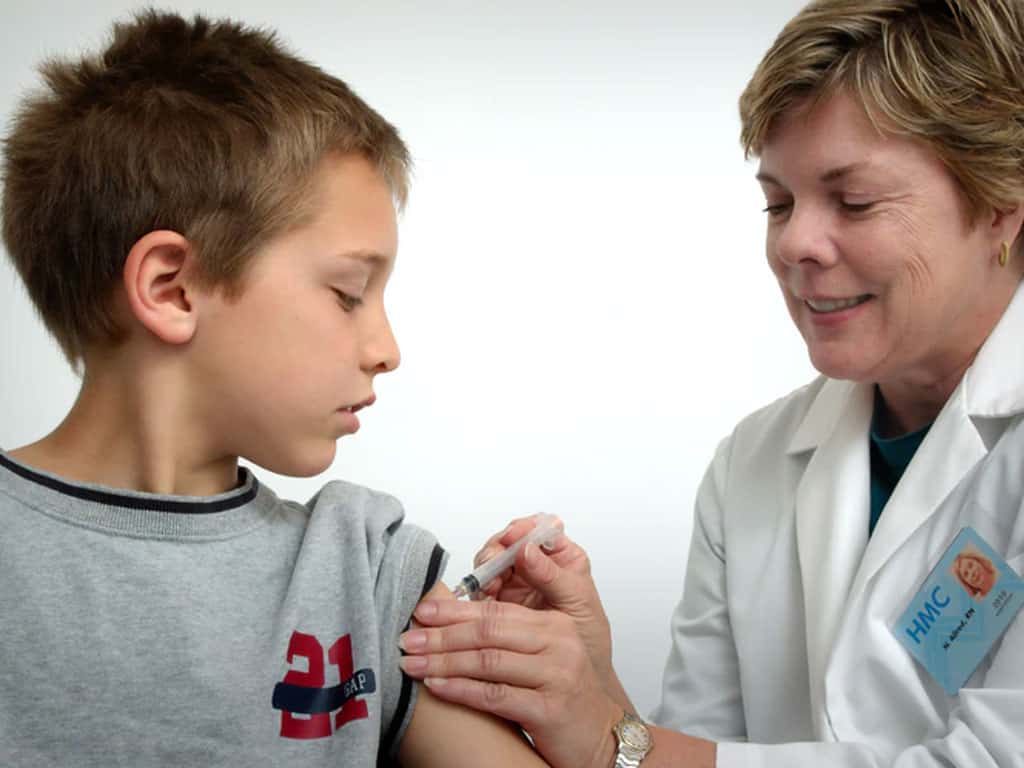
The current state of Covid-19 vaccination efforts in children in the United States is a troubling situation. It is no surprise that the US Government has taken a rather drastic step to cut down on this preventable disease. But it is not only the US Government that is looking to reduce the current level of childhood vaccine exposure. Ironically, nations such as India and China are doing everything they can to reduce the current levels of disease in their populations, while the US and other developed countries are cutting down on their current state of childhood vaccine exposure.
These latest findings come at a time when the United States is working to tighten its belt concerning vaccines and is especially concerned about the current outbreak of diseases in Europe. Even though we know that the current vaccination efforts are very effective, the reduction of countries around the world that can provide children with adequate childhood vaccines is concerning. These recent findings highlight the need for all nations to work even harder to reduce the number of children exposed to diseases like pertussis, measles, and hepatitis.
One reason the current levels of outbreaks are happening at such high levels is that a lot of parents do not follow the required vaccination schedules. This allows the viruses to be easily spread between people and even animals. Another cause is that some parents are simply afraid to give their children vaccines.
The current state of affairs regarding vaccinations is certainly concerning, but it’s not entirely surprising. There is an increasing concern among public health professionals that there is not enough education about the risks and benefits of vaccines among parents. For instance, in the states of Minnesota and California, there was a significant problem with unbalanced vaccination schedules. Unbalanced scheduling occurs when there are too few days in a given year for some vaccines. For example, one vaccine for diphtheria was only available for six days in a year, or only during the week of the school year.
Another problem in the states around the country has been the increase in outbreaks of whooping cough. Whooping cough is caused by an infectious agent called pertussis and is usually spread through coughing. In recent years, more children than ever have been diagnosed with this disease, which has now become one of the most common diseases among children.
Even though pertussis is a disease that is easily preventable and is highly treatable, there is a concern that the current state of covid-19 vaccination efforts in children could lead to a decrease in pertussis cases. The decrease in cases could result in less protection for those who do not receive their doses. Also, if the current state of covid-19 vaccination efforts in children does not reduce the cases of this disease, it could lead to an increase in the costs associated with treating this disease.
One concern of the antiviral manufacturers regarding the current state of covid-19 vaccination efforts in children is the concern that the current vaccine is not providing enough protection. They argue that as long as the states continue to allow un-aged persons to receive the vaccine, there is no need to make any adjustments. But in reality, the problem is not with the vaccine, but with the current state of awareness surrounding childhood vaccines. Un-aged persons are often at risk of getting more severe reactions than older children. This is because they are more sensitive to potential side effects from vaccines.
This sensitivity is one of the reasons that it has been found that the Rabies vaccine is less effective in young children and more effective in older children. As one would expect, the states that have made Rabies vaccines a school immunization requirement have had higher Rabies incidence rates. In addition to the problem of un-aged persons getting this vaccine, there is also the problem of un vaccinating older children who might be at increased risk for Rabies. If a vaccine that works for adults can’t prevent Rabies in children, then why give it to small children who are at risk for Rabies?